
Why Attend?
for two days of focused insight and collaboration. Centered on the critical themes of Agentic AI Attacks & Defense, Geopolitical Cyber Conflict, and Supply Chain Vulnerabilities, the event will feature expert-led sessions, industry panels, and 20+ exhibitors showcasing cutting-edge solutions. Designed for security leaders and technical practitioners alike, Secure Carolinas delivers actionable intelligence, strategic perspective, and meaningful networking in an increasingly complex threat landscape.
Event Schedule
8:00AM
Registration
Registration
9:00AM
Welcome and Kickoff
Welcome and Kickoff
9:10AM
Trust No One? Rethinking Cybersecurity in the Age of AI, Supply Chain Risk & Digital Warfare

Trust No One? Rethinking Cybersecurity in the Age of AI, Supply Chain Risk & Digital Warfare
Ashley Sage
Ashley Sage is Director of Sales at ANC Group, where she helps organizations strengthen cybersecurity, modernize IT infrastructure, and build resilient security strategies. With a background in broadcast journalism and technology leadership, she specializes in translating complex cybersecurity concepts into practical insights for executive and technical audiences alike. Ashley works closely with organizations across education, healthcare, manufacturing, energy, and government, helping leaders navigate emerging threats including AI-driven attacks, identity security, and supply chain risk. Her sessions focus on real-world lessons, strategic thinking, and actionable guidance that empowers organizations to improve their cyber resilience in an increasingly complex digital world.
10:00AM
Networking Break
Networking Break
10:30AM
The County You Didn't Audit: How Civic Infrastructure Gaps Create Critical Vulnerability at Scale

The County You Didn't Audit: How Civic Infrastructure Gaps Create Critical Vulnerability at Scale
Amy Barthelemy
Amy Barthelemy is the founder of GovParti (govparti.net), a free civic intelligence platform covering all 3,127 US counties, built solo in 14 days for approximately $5,000. The platform stores data from 30-plus federal sources locally, functioning as a living civic archive resilient to federal data removal. She is a published researcher (SSRN: 10928268), Latina first-generation American, military spouse, mom and resident of San Angelo, Texas.
When Agentic AI Becomes an Attack Surface: Governance, Control Failures, and Operational Risk

When Agentic AI Becomes an Attack Surface: Governance, Control Failures, and Operational Risk
Jim Markunas
Senior Technical Product Owner modernizing enterprise platforms with AI at their core. With deep experience across eCommerce, fintech, OTT streaming, he delivers end-to-end transformations: strategy, roadmaps, integrations (ERP/OMS/PIM), leading distributed teams/vendors to predictable outcomes. Jim specializes in AI‑augmented PM: Automating 80% grunt work (research, drafting, tickets) while amplifying human strengths – systems thinking, stakeholder alignment, accountability. Trusted to stabilize off-rails programs, restore exec trust, and redefine roles in AI‑first worlds. Passionate about ethical AI governance preventing psychopathic patterns (surveillance, short-termism).
Offense, Defense, and the Machine in Between: the Dual Role of AI in Cybersecurity

Offense, Defense, and the Machine in Between: the Dual Role of AI in Cybersecurity
Christopher Fielder
Christopher Fielder has worked within the cybersecurity world for over 26 years and holds 18 industry certifications along with a Master’s Degree in Information Security. His experience ranges from military, government, and corporate environments with security roles that cover offensive, defensive, and analytical positions. Christopher has also helped train some of the next generation of security professionals as a University instructor and former member of the SANS Institute. Today his role as the Field CTO and Editor-in-Chief allows him to focus on trending security concerns, modern defense techniques and the power and intelligence of Arctic Wolf.
11:15AM
Panel - Know Your Number: Quantifying Cyber Risk to Drive Real Decisions
Panel - Know Your Number: Quantifying Cyber Risk to Drive Real Decisions
Helvetic Cybersecurity Maturity Model – Measuring and Improving Organizational Cyber Resilience
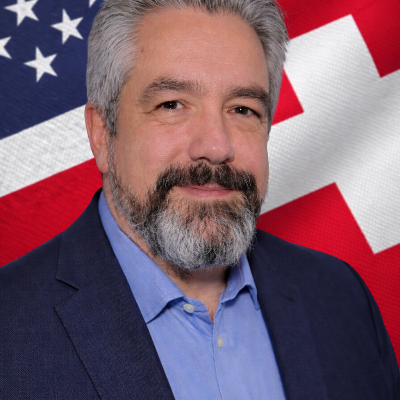
Helvetic Cybersecurity Maturity Model – Measuring and Improving Organizational Cyber Resilience
Dr. S. Isele
Dr. Siegfried Isele is a Managing Director, senior transformation executive, and board-level
advisor with more than 25 years of international leadership experience across insurance,
financial services, government, logistics, retail, and technology.
He specializes in large-scale modernization and transformation programs, including legacy
system replacement, data migration, AI-enabled automation, and regulated platform
transformation. Dr. Isele has led initiatives involving hundreds of specialists across multiple
continents, operating in highly regulated environments where reliability, compliance, and
governance are mission-critical.
In addition to his executive delivery leadership, he serves as a Senior Security Auditor (ISO/IEC
27001 & OT Security) and trusted advisor on cybersecurity, operational risk, and regulatory
compliance. His board and advisory contributions focus on technology strategy,
transformation governance, risk oversight, and executive decision-making.
Dr. Isele is known for his pragmatic application of agile principles, bridging structured
governance with real-world execution. He holds advanced degrees in economics, law, and
business engineering and has completed executive education at Harvard University, MIT,
Columbia Business School, UC Berkeley, and IIM Bangalore.
He is authorized to work in all Europe (incl. D A CH), the United States, and the United Arab Emirates, as well as he operates internationally.
Vibe Hacking: How I Built a World-Class Hacking Tool in a Weekend
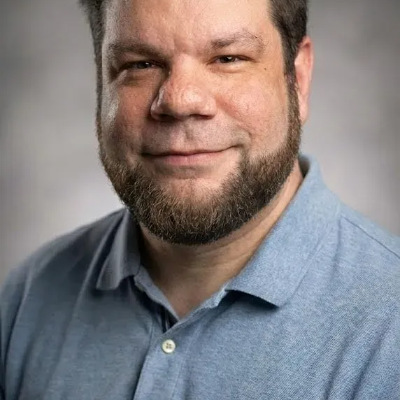
Vibe Hacking: How I Built a World-Class Hacking Tool in a Weekend
Joe B.
Joe Brinkley (TheBlindHacker) has spent over two decades in offensive security research and consulting. As the Director of Offensive Security Research & Community at Cobalt.io and the founder of Dead Pixel Sec, Joes focuses on the practical execution of automated attack surfaces.
His current work explores the integration of high-density edge AI hardware with agentic workflows, specifically looking at how multi-node AI clusters can be weaponized for Continuous Penetration Testing (CPT) and deep data research. By leveraging open-source models and custom frameworks, Joseph builds autonomous systems that bypass traditional detection engineering. He is a builder at heart, constantly experimenting with new ways to automate red team operations, defeat context window limitations in LLMs, and push the boundaries of what local hardware can do.
12:00PM
CyberSC Annual Awards Presentation
CyberSC Annual Awards Presentation
12:30PM
Lunch
Lunch
1:20PM
The Human Layer: Building the Cyber Workforce Pipeline Before the Bots Get Here
The Human Layer: Building the Cyber Workforce Pipeline Before the Bots Get Here
Dominique Harris
Dominique Harris is a PMP-certified, Active Secret–cleared founder of PIC’D Group (SDVOSB) with 20+ years in cleared and OCONUS environments, specializing in Zero Trust/CSfC architecture, Cisco ACI/DNAC, and building the cyber workforce pipeline through BuildYourWolfpack.
The Agentic Home Lab: Securing Autonomous AI Systems in the Real World

The Agentic Home Lab: Securing Autonomous AI Systems in the Real World
Lucas Ward
Lucas Ward is a Staff Platform Engineer with a track record of untangling complex systems and helping teams move forward with confidence. From modernizing legacy applications to designing cloud-native platforms in AWS, he focuses on delivering solutions that are both technically sound and actually usable by teams.
In addition, Lucas brings deep experience in applying AI strategically within engineering organizations—ranging from developer productivity and AI-powered features to retrieval-augmented generation (RAG), agentic workflows, and production-ready AI system design. He emphasizes responsible AI adoption, with a focus on governance, explainability, and building systems teams can trust.
He brings a practical, experience-driven perspective to topics like tenancy models, platform engineering, developer productivity, and the evolving role of AI in modern software development.
RAGged and Compromised: Hacking Retrieval-Augmented Generation Systems

RAGged and Compromised: Hacking Retrieval-Augmented Generation Systems
Blaize Stewart
Blaize is a Microsoft Azure MVP and has been interested in software development since childhood and wrote his first software while still in high school. Since that time, Blaize has had broad experience in all things IT ranging from a network administrator to a software architect and everything in between.
2:05PM
Cybersecurity for Critical Infrastructure/OT
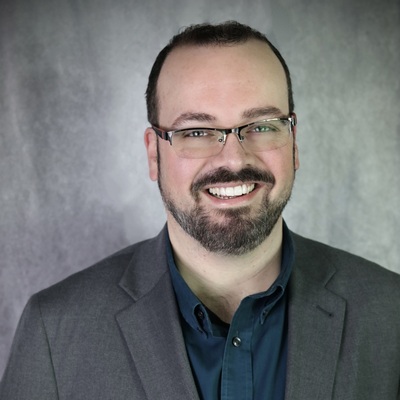
Cybersecurity for Critical Infrastructure/OT
Jared Chambliss
I am a cybersecurity professional with 17 years of experience in both IT and OT operations and cyber security program management and development within the federal government space. After earning my Masters Degree in computer science from the University of Louisiana @ Lafayette he took his first big boy job working for the Department Of Energy (DOE) National Nuclear Security Administration (NNSA) MOX project in Aiken, SC at the Savannah River Site.
I cut my teeth on systems administration and security management as well as people management while at MOX for over 7 years, rising from analyst to Domain Admin responsible for all things security implementation in an environment with over 2000 users and 200+ servers and managing approximately 15 people
After leaving MOX my focus shifted to program development which is where i really got into cybersecurity. I spent the next 5 years at the Parsons Salt Waste Processing Facility project for DOE Environmental Management (EM) in Aiken, starting as the single cyber person in the engineering department. In that time i developed an Operational Technology cyber program in line with Nist SP 800-82 R2 and implemented the program fully, gaining an Authority to Operate from DOE for that facility. By the time i left that project i was again managing a team of approximately 15 people and had become a Certified CISSP, ISSEP, and ISSMP.
I spent the next 3.5 years back at the NNSA working on the Pu PIT Production project using my cyber skills to advance the nations nuclear deterrence program before coming back home to the EM mission with SRMC, where i currently serve as a contracted IT Program Manager/Technology expert through Boston Government Services.
At BGS my role is Regional Director, Cybersecurity where i maintain a team of 7 experts across the nation doing cyber and IT missions for the DOE along with fostering strategic partnerships and doing business development (in my spare time).
Despite all this, my biggest priority is my relationship with Jesus Chris and my wife of 17 years and my 2 children whom i love dearly. They are the reason i do what i do. Without them i would be nothing. So in my spare time i am a worship leader at Fearless Church Aiken, a small group leader, i play with my kids, hang out with my wife, play video games, and serve as the Chair of the Board of Directors for Horse Creek Academy , a non profit K-12 Charter School in Aiken SC.
Why AI Makes Everything Faster—Including Failure: A Leadership Checklist for Secure Adoption

Why AI Makes Everything Faster—Including Failure: A Leadership Checklist for Secure Adoption
Dusty Gulleson
Dusty Gulleson helps leaders cut through digital noise to achieve measurable results. As CEO of Tectonic, he has led the company through significant growth, transformation, and the unification of its diverse divisions into a cohesive digital powerhouse.
With more than 25 years in IT and digital transformation, Dusty specializes in guiding executives to focus on what matters most. His expertise spans cybersecurity, automation, custom applications, and enterprise-scale digital strategy, giving him a unique vantage point to advise organizations on both proven best practices and emerging innovations such as AI, no-code platforms, and advanced systems integration. He is also a certified StoryBrand facilitator, using the framework to lead consensus on important decisions and outcomes.
Audiences value Dusty’s candid, story-driven style. He shares lessons from decades of building trust-based relationships and leading transformations without the overwhelm, always balancing vision with practical execution.
What audiences can gain from Dusty’s talks:
– A practical framework for leading change without waiting for full alignment
– How to identify when resistance is fear versus legitimate risk
– Leadership behaviors that accelerate or quietly stall change
– Why overreaction, not tech debt itself, creates organizational damage
– How to restore execution without restarting strategy or restructuring teams
Over the years, Dusty and his companies have supported organizations such as Stanford University, Google and the Manufacturing Institute. Today, he brings those experiences to stages nationwide, equipping leaders to modernize with confidence, clarity, and impact.
Work Hardened, Anti Fragile

Work Hardened, Anti Fragile
Gareth Hay
Meet Gareth Hay – Your Expert in Control Room Innovation. With over 30 years of navigating the complex world of audiovisual, Gareth has helped shape control rooms that power the world—quite literally (half the world’s electricity transmission, to be exact).
Hailing from the UK, Gareth brings a sharp wit, a no-nonsense attitude, and perhaps a cuppa to every challenge he faces. When not tackling the intricacies of control room workflows, you might find him geeking out over AI trends or contemplating how donuts might be the secret to job satisfaction.
2:50PM
Networking Break
Networking Break
3:25PM
Defending against hidden risks of AI tools in the workplace

Defending against hidden risks of AI tools in the workplace
Bruce Mines
Bruce Mines serves as a Solutions Engineer, helping organizations secure their environments through the ThreatLocker platform and the adoption of Zero Trust security principles. With more than 20 years of experience in technology consulting, Bruce has worked with businesses across a wide range of industries to address complex IT and cybersecurity challenges and strengthen their overall security posture.
Governing AI Autonomy for Trust in Compliance-Critical Workflows

Governing AI Autonomy for Trust in Compliance-Critical Workflows
Pradeep Periasamy
Pradeep Periasamy is a design leader with extensive experience shaping products from inception through scale across fintech, mobility, enterprise SaaS, and consumer platforms. With a foundation built at the Indian Institute of Technology Guwahati and Purdue University, he brings together strong technical depth and a user-centered design philosophy, enabling him to navigate complex problem spaces while delivering clarity, structure, and meaningful impact.
In his current role as Director of Product Design at Wolfe, Pradeep oversees design across a diverse gifting ecosystem that spans consumer experiences and sophisticated B2B tools. His work focuses on elevating product usability, modernizing design systems, and fostering alignment across cross-functional teams. Through a collaborative and thoughtful approach, he helps position design as a strategic driver of product growth, brand cohesion, and long-term vision.
Previously, Pradeep served as Staff Product Designer at Connect IQ Labs (Miles), where he led design for the company’s consumer application and guided the evolution of a mobility rewards platform used by a globally distributed user base. He also designed white-label mobility reward systems for leading automotive brands and expanded the design function by mentoring a growing team and setting foundational processes, systems, and workflows. His contributions supported product expansion, improved user experience, and strengthened the company’s B2B offerings.
Earlier in his career, Pradeep shaped enterprise experiences at Sprinklr, where he designed marketing and customer experience tools for large global brands during a period of rapid scale. He also contributed to the design of Treebo’s enterprise booking and management platform and played a founding design role at Enroot, where he helped transform a student project into a fully launched product supported by external funding.
His work is complemented by research and publication experience in generative AI and tangible user interfaces, as well as hands-on exposure to emerging technologies through internships at Amazon, MIT Media Lab initiatives, and Purdue University. Across every role, Pradeep brings an ability to blend vision with execution, guide teams through ambiguity, and deliver design solutions that balance user needs with business outcomes.
Modernization Is a Leadership Problem, Not a Tech Problem: Securing Legacy Infrastructure
Modernization Is a Leadership Problem, Not a Tech Problem: Securing Legacy Infrastructure
Dusty Gulleson
Dusty Gulleson helps leaders cut through digital noise to achieve measurable results. As CEO of Tectonic, he has led the company through significant growth, transformation, and the unification of its diverse divisions into a cohesive digital powerhouse.
With more than 25 years in IT and digital transformation, Dusty specializes in guiding executives to focus on what matters most. His expertise spans cybersecurity, automation, custom applications, and enterprise-scale digital strategy, giving him a unique vantage point to advise organizations on both proven best practices and emerging innovations such as AI, no-code platforms, and advanced systems integration. He is also a certified StoryBrand facilitator, using the framework to lead consensus on important decisions and outcomes.
Audiences value Dusty’s candid, story-driven style. He shares lessons from decades of building trust-based relationships and leading transformations without the overwhelm, always balancing vision with practical execution.
What audiences can gain from Dusty’s talks:
– A practical framework for leading change without waiting for full alignment
– How to identify when resistance is fear versus legitimate risk
– Leadership behaviors that accelerate or quietly stall change
– Why overreaction, not tech debt itself, creates organizational damage
– How to restore execution without restarting strategy or restructuring teams
Over the years, Dusty and his companies have supported organizations such as Stanford University, Google and the Manufacturing Institute. Today, he brings those experiences to stages nationwide, equipping leaders to modernize with confidence, clarity, and impact.
4:10PM
Secure Legacy Modernization: Risk-Aware Framework for Enterprise Systems

Secure Legacy Modernization: Risk-Aware Framework for Enterprise Systems
Anandan Sonaimuthu
Anandan Sonaimuthu is a Senior Mainframe Lead Developer and Data Architect with over 21 years of professional experience in enterprise application development, legacy system modernization, and production support across multiple industries, including financial services, payment systems, healthcare, and aviation.
He has extensive experience in end-to-end mainframe application development, including system design, coding, testing, implementation, and maintenance using technologies such as COBOL, DB2, CICS, JCL, IMS, and VSAM. His work also includes integration with distributed and web-based technologies, including C#, XML, SOAP, and service-oriented architectures.
In addition to core mainframe expertise, he has contributed to modernization initiatives involving migration of legacy systems to cloud and distributed platforms. His experience includes working with AWS cloud infrastructure and big data ecosystems such as Hadoop, Hive, and related technologies.
He has held leadership roles involving team management, onsite-offshore coordination, and agile delivery execution. His domain expertise includes retail banking, investment banking, credit card processing, and payment systems, enabling him to deliver scalable and business-aligned solutions.
He holds a Master of Computer Applications (MCA) degree with distinction. He is recognized for his strong problem-solving abilities, performance optimization skills, and commitment to delivering high-quality, scalable solutions in complex environments.
From the First Cyber Policy to Today’s Cyber Crisis

From the First Cyber Policy to Today’s Cyber Crisis
Kurtis Suhs
Kurt Suhs serves as Founder and Chief Executive Officer for Cyber Special Ops, LLC, dba Concierge Cyber, based in Atlanta, Georgia. Concierge Cyber provides organizations with pre-loss and post-loss cyber security solutions, including embedded and standalone cyber insurance, managed threat intelligence, incident response, and insurance claims advocacy. Members gain access to experts with technical expertise, industry knowledge and business acumen, serving as a trusted advisor to organizations navigating the complex world of cyber risk. Kurt has four decades of experience in the insurance and financial services sectors and helped launch the first cyber insurance product in 1997.
Prior to founding Cyber Special Ops, Kurt served as SVP and Cyber Chief Underwriting Officer for 9 years at Ironshore Insurance, a Liberty Mutual Insurance Company, where he was responsible for innovating cyber insurance products and risk management solutions across all lines of coverage on a global basis. Earlier in his career Kurt was an Investigator with the FDIC where he investigated financial institution fraud and professional liability claims for failed banks. He also represented the FDIC in the New England Bank Fraud Working Group, assisted the FBI in criminal investigations, and performed FIRREA forfeitures and seizures. He taught courses on financial institution fraud, directors’ and officers’ liability insurance, criminal restitution recovery and civil asset forfeitures at the FDIC’s national training facility in Washington D.C.
Kurt holds both property and casualty insurance and surplus lines insurance licenses. He is an active member of the Professional Liability Underwriter’s Society (PLUS) and served 13 years on the PLUS Southeast Steering Committee.
Kurt is also an active speaker and has authored several articles and educational courses on subjects such as risk management, cyber insurance and financial institution fraud. He has contributed material to two World Bank publications: Electronic Security: Risk Mitigation in Financial Transactions and Electronic Safety and Soundness.
The unintended liability of Secure by Default and how to manage it.
The unintended liability of Secure by Default and how to manage it.
Gareth Hay
Meet Gareth Hay – Your Expert in Control Room Innovation. With over 30 years of navigating the complex world of audiovisual, Gareth has helped shape control rooms that power the world—quite literally (half the world’s electricity transmission, to be exact).
Hailing from the UK, Gareth brings a sharp wit, a no-nonsense attitude, and perhaps a cuppa to every challenge he faces. When not tackling the intricacies of control room workflows, you might find him geeking out over AI trends or contemplating how donuts might be the secret to job satisfaction.
5:00PM
Network Reception
Network Reception
8:00AM
8:30AM
Top CISO Concerns Today: From Cybersecurity to Business Resilience

Top CISO Concerns Today: From Cybersecurity to Business Resilience
Jerry Carlson
Jerry Carlson is a visionary technology leader specializing in aligning cybersecurity strategies with organizational missions. With over two decades of experience driving digital transformation, Jerry has led multi-billion-dollar initiatives, pioneered GenAI compliance frameworks, and helped organizations build resilience against modern cyber threats. A trusted advisor to C-suite leaders, he combines deep technical expertise with a passion for innovation, entrepreneurship, and storytelling—bringing transformative solutions for any size organization.
The Human Factor in AI Driven Cybersecurity

The Human Factor in AI Driven Cybersecurity
Fletus Poston III
Fletus is a seasoned IT and security professional, with a career spanning since the mid-2000s when he began as an IDS handler. Throughout the years, he has managed cybersecurity initiatives in various industries, including finance, utility, and software development. Fletus holds a Master of Science in Information Systems (M.S.I.S.) specializing in Information Assurance, along with a range of certifications such as CISSP, SSAP, GISF, GSEC, GCED, GPCS, GMON, GCCC, GSLC, GSOM and GCIL. He takes great pleasure in sharing his expertise and passion for cybersecurity with others.
https://www.giac.org/certified-professional/Carlton%20Fletus-Poston%20III/183722
Self-Healing Cloud Infrastructure Using API-Level Control and Machine Learning-Based Detection
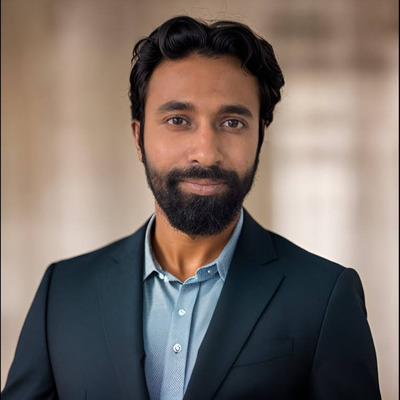
Self-Healing Cloud Infrastructure Using API-Level Control and Machine Learning-Based Detection
Himanshu Pandey
Himanshu Pandey is an innovative engineering leader with more than twelve years of experience architecting large-scale distributed systems, cloud infrastructure, and AI-driven automation platforms. Renowned for building zero-to-one products at Amazon Web Services and VMware, he has played a central role in launching transformative technologies that have reshaped enterprise cloud and AI ecosystems. At AWS, he is a founding engineer behind QActions, an automation platform that enables intelligent cross-system integrations and has significantly advanced GenAI capabilities within QBusiness and AppStudio. He also led development of the QApps Catalog and contributed core architectural components to Yellowstone, including its Config AI Agent, Task Service, Activity Logs, and Identity & Authorization systems.
Before AWS, Himanshu was among the first engineers on VMware Cloud Foundation, where he helped scale the platform from stealth to a billion-dollar business. His technical innovations include multi-host domain management, public API architecture, hardware topology discovery, and a patented cloud optimization framework (U.S. Patent 11,709,723).
Himanshu is widely recognized for his technical leadership, cross-organizational influence, and mentorship of engineers at all levels. He is known for shaping engineering culture, contributing to internal papers and hackathons, and driving product strategy at the intersection of AI, automation, and distributed systems.
He holds an M.S. in Information Technology from Carnegie Mellon University and a B.E. in Computer Science from Delhi College of Engineering. Outside of work, he is an avid reader, gamer, table-tennis enthusiast, and aquarist with a passion for creative, hands-on engineering projects.
9:15AM
Shadow Agents: When Your Organization Deploys AI That Security Never Approved
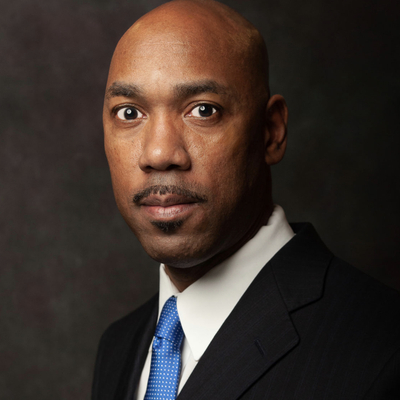
Shadow Agents: When Your Organization Deploys AI That Security Never Approved
Reginald Johnson
Reginald Johnson is a Field Security Manager at AWS, where he leads incident response and security investigations across five customer-facing organizations. His team handles the cases that don’t fit neatly into any one team’s ownership — process gaps, insider risk, cross-organizational coordination, and security events in business-critical systems that can’t be interrupted. Based in Charlotte, NC.
The Autonomous SRE: Will AI Replace Operational Engineering?

The Autonomous SRE: Will AI Replace Operational Engineering?
Savi Grover
Savi Grover is a Senior Quality Engineer turned SRE with extensive expertise in observability, software testing, building scalable and reliable automation frameworks. With professional experience at many companies and with multiple domain products—including media content management, autonomous vehicle systems, payments and subscription platforms, billing and credit risk models and e-commerce.
The Layer Beneath the Agents: Context, Memory, and Learning in the AI SOC

The Layer Beneath the Agents: Context, Memory, and Learning in the AI SOC
Fareed Cheema
Fareed Cheema is the Global Head of Sales Engineering at Torq, where he leads worldwide pre-sales strategy, execution, and innovation. Over his 4 years at Torq, Fareed has played a pivotal role in scaling both the technical and go-to-market teams, driving Torq’s growth and customer success in the fast-evolving security automation landscape.
With over two decades of experience in cybersecurity, Fareed brings deep technical expertise combined with a strategic understanding of enterprise sales, product positioning, and customer engagement. He has built and led teams that bridge the gap between complex technology and tangible business value.
10:00AM
Networking Break
Networking Break
10:30AM
Say Yes to AI: Enabling Your Workforce Without Losing Control of Your Data
Say Yes to AI: Enabling Your Workforce Without Losing Control of Your Data
I Am Your Shadow IT: Confessions of a Vibe-Coding Executive

I Am Your Shadow IT: Confessions of a Vibe-Coding Executive
Jason Clark
Jason specializes in brand strategy, corporate identity systems, and brand architecture for organizations navigating growth and change. He helps companies clarify their structure, unify sub-brands, and build design systems that scale across teams, channels, and markets.
With decades of experience leading rebrands, product launches, and multi-channel campaigns, Jason brings a strategic yet creative approach to solving complex brand challenges. He has partnered with corporations, startups, and nonprofits alike, blending structure with personality to ensure brands are both organized and human.
A Louisville native, Jason has led award-winning projects recognized with Gold ADDYs, AIGA Louisville’s Best of Branding, and the organization’s only Visionary Award. He was also named one of Business First’s 20 People to Know in Advertising.
Jason’s talks explore branding as an essential business function that drives clarity, culture, and growth. He speaks on topics including brand architecture for growing companies, agile creative process, and how to align legacy with evolving markets.
He has presented at CreativeMornings, AIGA Louisville, AAF, and on panels covering branding, AI, and leadership.
Leading Through Cyber Crisis: Governance, Decision-Making, and Organizational Resilience in High-Sta

Leading Through Cyber Crisis: Governance, Decision-Making, and Organizational Resilience in High-Sta
Monifa Mcknight
Dr. Monifa McKnight is an accomplished executive leader, governance strategist, and former Superintendent of Montgomery County Public Schools, one of the largest school districts in the United States. With more than 25 years of experience leading complex institutions, she is known for guiding organizations through high-stakes transitions, strengthening governance, and building resilient, people-centered leadership cultures. As Founder of McKnight Lotus Leadership Group, she advises executives and boards on leadership strategy, crisis navigation, and sustainable performance. She also serves as a leadership coach for the University of Maryland’s Central Office Leadership Academy (COLA) and holds board roles with Bowie State University, Africa University, and the National Capital Area Council of Scouting America.
11:15AM
Critical Infrastructures Panel

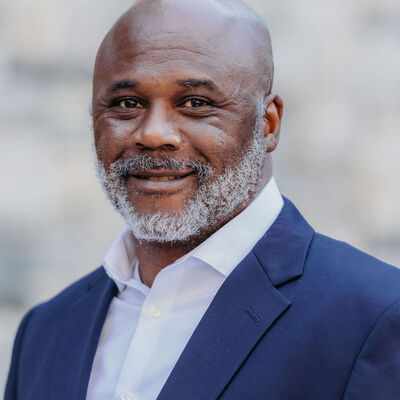

Critical Infrastructures Panel
Rachelle Waite-Bey
Rachelle Waite-Bey is originally from New Jersey and is an USAF Veteran. She is a granddaughter to one of the developers and designers of the gaming console Atari and likes to say technology is in her DNA! Rachelle’s military duties included supporting Air Force 2 as a flight attendant and her last duty station was in support of the Supreme Allied Commander of Europe (SACEUR), as one of the three hand selected flight attendants to support the NATO Command. In both roles Rachelle flew on Special Air Missions to Iraq and Afghanistan in support of Operation Iraqi Freedom & Operation Enduring Freedom. In 2020 Rachelle registered WAITE SLTS, a cybersecurity consultant firm, in the State of South Carolina where she assisted DOD clients with their corporate security compliance needs and is a highly sought after cybersecurity professional.
Toby Louris
Toby Louris is Director of Technology at Renewable Water Resources (ReWa), where he leads IT strategy, cybersecurity, and digital modernization for one of South Carolina’s largest wastewater utilities. Over a 25+ year career, he has built and led technology organizations across SaaS, telecom, healthcare, and critical infrastructure — including executive roles at BenefitFocus and Windstream Communications. A U.S. Marine Corps veteran, Toby chairs the SCAWWA/WEASC Ad Hoc Technology Committee and serves on advisory boards for ECPI University and Greenville Technical College
Zach Seiter
Zach Seiter is the manager of all cybersecurity operations at Renewable Water Resources (ReWa). He has been doing cybersecurity since early high school. He graduated from Anderson University as one of the first graduates from the center of cybersecurity. He is currently completing his masters in cyber at Kennesaw State where he plans to graduate from in December of 2026. Zach is passionate about security and technology as a whole, spending time experimenting in his home lab. He is also an avid rock climber and guitarist.
AI-Driven Self-Healing Systems for Secure and Resilient Operations
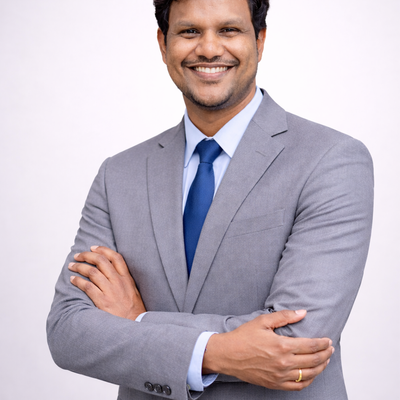
AI-Driven Self-Healing Systems for Secure and Resilient Operations
Venkata Vivek Kothakonda
Venkata Vivek Kothakonda is an accomplished Application and Production Support Engineer with over 15 years of experience supporting enterprise systems across telecom, banking, financial services, fraud and risk management, and digital payments domains. He brings deep expertise in UNIX/Linux environments, high-volume production systems, and customer-facing applications, with a strong focus on ensuring system reliability, performance, and operational excellence.
Currently serving as a Technical Support Engineer II at Flywire Corporation, Vivek supports complex payment processing platforms, resolving issues related to transaction failures, system integrations, and data synchronization across distributed systems. His work involves advanced database troubleshooting, API and webhook debugging, and detailed log analysis to ensure seamless financial operations and high customer satisfaction.
Throughout his career, Vivek has demonstrated strong capabilities in incident management, problem resolution, and change and release support, consistently ensuring SLA adherence and minimizing system downtime. He has played key roles in managing major incidents, conducting root cause analyses, and implementing process improvements to enhance operational efficiency. His experience spans working with leading organizations such as CGI, Mastercard, FICO, and Tech Mahindra, where he contributed to mission-critical platforms, including digital payment systems, fraud detection services, and enterprise communication engines.
Vivek is highly skilled in monitoring and observability tools, including Splunk, CloudWatch, and Wily Introscope, and has hands-on experience with AWS services such as EC2, ELB, and Route 53. He is also proficient in shell scripting and SQL, which he leverages to automate health checks, streamline operational workflows, and support data analysis and reporting. His ability to collaborate effectively with cross-functional teams under Agile environments has enabled him to drive continuous improvements and maintain high standards of system performance and reliability.
He holds an M.S. in Telecommunication and Software Engineering from BITS Pilani and a B.Tech in Computer Science Engineering from JNTU Hyderabad. Additionally, he is certified in ITIL v3 Foundation and AWS SysOps Administration, reflecting his strong foundation in IT service management and cloud operations.
I Get Knocked Down - But Getting Up Isn't Enough
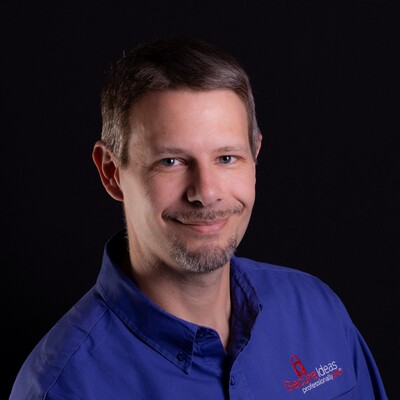
I Get Knocked Down - But Getting Up Isn't Enough
Eric Kuehn
With over 25 years of experience in information security, Eric Kuehn has spent his career on both sides of the equation – building defenses and breaking through them. As a Principal Security Consultant with Secure Ideas, he works with organizations of all sizes to find the gaps between what they think is protected and what actually is. That same mindset extends beyond technical vulnerabilities to how organizations plan, respond, and recover when things go wrong. Eric speaks regularly at conferences and events on a range of security topics, and shares his knowledge through courses at Antisyphon Training.
12:00PM
CIO perspective: Maximizing ROI in AI
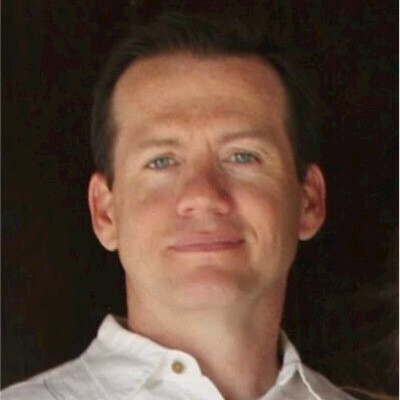
CIO perspective: Maximizing ROI in AI
Chip Crane
Cybersecurity, AI and Systems Management Executive Advisor IBM
William “Chip” Crane worked for a global retailer reporting directly to the acting CISO as well he has over 20 years of IT Security and Systems Management leadership and technical experience, including a CIO role at Parkseed. He now serves as the IBM Industry Market Automation Technical Sales leader where he meets with CISOs and CIOs from large and small organizations throughout the US..
12:30PM
Lunch Day 2
Lunch Day 2
1:00PM
SEO is Cyber Defense: How Visibility Tools Can Protect Rural Infrastructure
SEO is Cyber Defense: How Visibility Tools Can Protect Rural Infrastructure
Christopher Kemper
Christopher Kemper is a retired U.S. Army Lieutenant Colonel with 23 years of distinguished military service, a decorated combat leader, and a non-traditional problem solver who now helps businesses win on digital ground.
Chris began his career at the Virginia Military Institute, earning a B.A. in International Studies and Modern Languages. Over two decades of service, he held command and leadership roles at every level, including Deputy Commander of Camp Marmal Garrison Command in Afghanistan and Commander of the 1st Squadron, 108th Cavalry. His work in reconnaissance, intelligence, and operational strategy sharpened his analytical mindset and built his reputation for solving complex challenges by viewing them through an unconventional lens.
After retiring from the Army, Chris transitioned into civilian business leadership, managing global software development teams and leading multi-million dollar government contracts. This blend of military precision and civilian innovation laid the groundwork for co-founding EMILY Revolutionary Marketing Group®, where he now leads strategic growth for clients across industries.
At EMILY, Chris merges his strengths in analytics, systems thinking, and team leadership with cutting-edge digital marketing — offering SEO-first, AI-integrated strategies that help businesses grow their online visibility, attract qualified leads, and scale effectively. EMILY’s clients include national franchises, local nonprofits, manufacturers, and fast-growing service brands seeking a competitive edge.
Chris holds an MBA from Brenau University and a Graduate Certificate in Financial Management from the University of Maryland Global Campus. His certifications include Google Digital Marketing, Google Generative AI Leader, SERanking, Google Search & Display Ads, Surfer AI Search and Meta Marketing Analytics.
A proud father, husband, and dog dad, Chris lives in Newberry, South Carolina with his wife Molly and daughters Ellis and Madeline. Whether deploying troops or building brands, he leads with clarity, data, and purpose.
AI-on-AI: When Your Defenses Become the Attack Vector

AI-on-AI: When Your Defenses Become the Attack Vector
Clint Spicer
For most of his 30-year career in the Information Technology field, Clint had to know a little about a lot. His niche was coming into a company with no IT staff and building the department up. Once established, he would move on to the next opportunity to do it again. As he stated, “The joy is not standing on the mountaintop. It’s the climb up.” After building up the IT department at Sunland Logistics Solutions, as he had done so many times before for other companies, he was offered a new challenge: build and lead the company’s cybersecurity division. The opportunity to focus on one aspect of IT… the most important aspect… and master it, was just too good to pass up. After four years as the Head of Cybersecurity, Compliance, and Risk Management (and twelve years total at Sunland), Clint’s career path was dramatically altered. Clint left Sunland to take over as CEO of Spicer-Industries, the company that began as the brainchild of his late father.
1:45PM
Including AI risks as part of your Risk Management program

Including AI risks as part of your Risk Management program
Randall Laudermilk
Randall Laudermilk joined the company in 2009 and is responsible for establishing the strategic direction of the SAINT risk exposure and compliance product portfolio and establishing strategic partnerships and alliances. He has a vast range of experience in the IT field, including 30 years of experience in both IT professional services and product management. Randy has an extensive background in business development and has been instrumental in developing several corporate and product strategies that facilitate increased customer value and revenue potential for our partners. He served in the U.S. Air Force and later held a position with the Joint Staff’s Special Operations Division at the Pentagon. Randy also completed professional study at the Performance Institute and earned an M.S. in Information Systems from Marymount University. He is a Certified Scrum Master (CSM), Certified Scrum Product Owner (CSPO), and a member of the Scrum Alliance, CyberSC, and recent addition to the X9 Financial Services AI Study Group.
Empowering Patients To Use Artificial Intelligence

Empowering Patients To Use Artificial Intelligence
Lisa Tee
Lisa is a pharmacist dedicated to empowering patients to take care of their own health with ever advancing technology.
No Leaks Detected!! Building Secure Azure Apps

No Leaks Detected!! Building Secure Azure Apps
Jason Farrell
Jason Farrell is a Senior Solution Engineer at Microsoft where he focuses on Cloud Apps and AI. The role seeks to provide technical help to larger customers who are either adopting or using Microsoft Azure services including AI. Jason also focuses on AI Engineering which involves understanding how applications can consume and leverage AI. Outside work, Jason spends time with his family and loves Lego Star Wars
2:30PM
Networking Break
Networking Break
3:00PM
Dual-Scope Defense: Six Years of Municipal IT + OT Security and What It Taught Two Critical Sectors
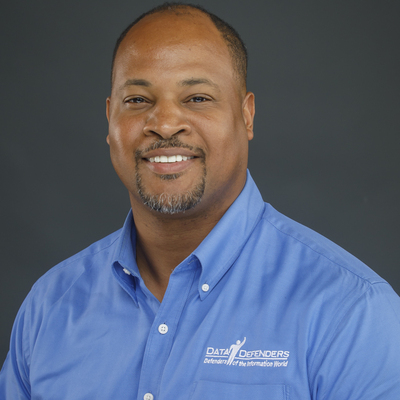
Dual-Scope Defense: Six Years of Municipal IT + OT Security and What It Taught Two Critical Sectors
Cyrus Walker
Cyrus J. Walker III is the Founder and Chief Executive Officer of Data Defenders, a civic cybersecurity firm serving municipalities, counties, nonprofits, and healthcare organizations. He brings thirty years of practitioner experience across cybersecurity operations, network architecture, digital forensics, and critical infrastructure protection.
Cyrus serves on the U.S. Department of Homeland Security’s CISA Critical Infrastructure Partnership Advisory Council (CIPAC) as a member of the Election Infrastructure Subsector Coordinating Council, working directly with federal partners on threat intelligence and joint incident response capabilities for election infrastructure. He is an internationally recognized expert in electronic voting system security and holds a certificate from MIT’s Smart City Design program.
Earlier in his career, Cyrus served as a Subject Matter Expert in Cyber Terrorism Defense and Incident Management at the University of Arkansas’s Cyber Defense Analysis Center under DHS funding, where he trained more than 5,000 federal, state, and local law enforcement professionals, including personnel from the NSA, FBI, U.S. Navy, U.S. Air Force, and U.S. Secret Service.
Under his leadership, Data Defenders serves as the operational architect of Aurora, Illinois’s regional cybersecurity operation, which has detected and mitigated 35,331 threats, eliminated 351 high-severity threats, declared zero major security incidents, and delivered those results at 77% below the cost of an equivalent in-house Security Operations Center.
Securing AI Agents: A Risk-Adaptive Framework for Modern Threats

Securing AI Agents: A Risk-Adaptive Framework for Modern Threats
Avdesh Mishra
Avdesh Mishra is a Cybersecurity Advisor and Senior Leader with over 18 years of experience supporting Fortune 500 organizations in strengthening cybersecurity resilience and enabling secure business transformation. He has deep expertise in executive advisory, cybersecurity strategy, risk management, and leading large-scale transformation programs across global environments.
Currently, he serves as a Managing Director at Ernst & Young (EY) in Chicago, where he leads global cybersecurity consulting across IT and OT domains. In this role, he advises boards and senior executives on cybersecurity posture, operating models, secure AI adoption, and M&A due diligence, while delivering measurable outcomes across industries including manufacturing, healthcare, energy, and financial services.
Previously, Avdesh held senior leadership roles at EY and Ilantus Technology, where he led major initiatives in Zero Trust, IAM/IGA, data protection, cloud security, and regulatory compliance aligned with frameworks such as NIST CSF, SOX, NERC CIP, HIPAA, and SSAE 18. He holds an MBA from Saint Joseph’s University and a Bachelor of Technology in Electrical & Electronic Engineering from Jawaharlal Nehru Technological University, Hyderabad.
Black Box, Red Flags: Uncovering Hidden Risks in AI Systems
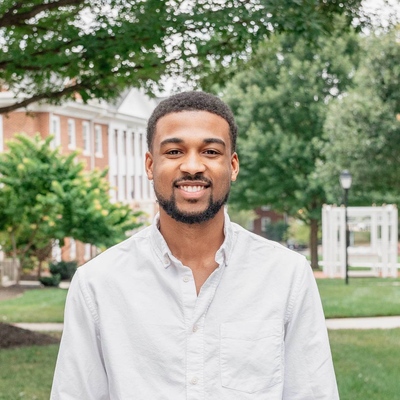
Black Box, Red Flags: Uncovering Hidden Risks in AI Systems
Markel Samuel
Seasoned Compliance and SecOps Manager with a proven track record of ensuring regulatory adherence and mitigating risks. Markel has worked with hundreds of clients from small businesses up to large Fortune 100 companies in refining their security processes to aid in the defense against threats far and wide.
3:45PM
Modern Identity with CAS in Academia
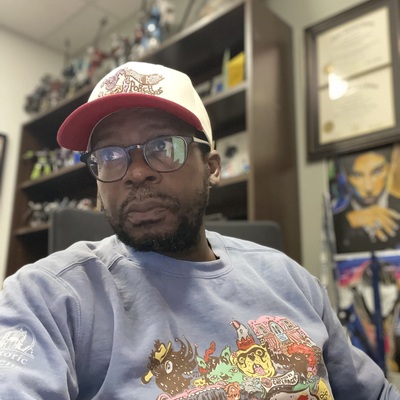
Modern Identity with CAS in Academia
Eugene Willis
Eugene Willis Jr. is an Application Analyst, Red Hat Systems Administrator, and Helpdesk professional who built his career in tech from the ground up. Starting without a formal background, he worked his way from support roles into managing Red Hat systems and higher education applications. With degrees in Business and Marketing, Eugene blends technical expertise with creative strategy to solve real-world problems. Outside of tech, he’s a touring emcee and author who enjoys mentoring others and helping them carve out their own path forward.
The Invisible Threat: AI-Powered Attacks, Human Error & Third-Party Vendor Compromise
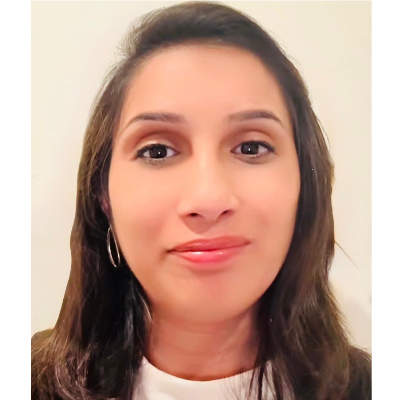
The Invisible Threat: AI-Powered Attacks, Human Error & Third-Party Vendor Compromise
Sushmitha Kandhukuri
I am a cybersecurity professional with years of hands-on experience defending organisations against an ever-evolving threat landscape, from early-stage intrusion detection to today’s sophisticated, AI-powered supply chain attacks.
A member of CyberSc and Toastmasters International, I have built a reputation not only as a technical practitioner but as a compelling and authoritative voice in the cybersecurity community. That reputation was earned on stage: competing through Toastmasters’ rigorous evaluation process, I claimed first place at the Division level and advanced to District competition — a distinction that places me among the most accomplished communicators in the region.
This rare intersection of deep cybersecurity expertise and award-winning public speaking defines my approach to every presentation. Complex threats are translated into clear strategy. Technical depth is delivered with confidence, precision, and purpose.
I speak to inform, to challenge assumptions, and to move security professionals from awareness to action.
Adaptive Fraud Detection in Digital Payments: Combining Rules, Machine Learning, and Explainable AI
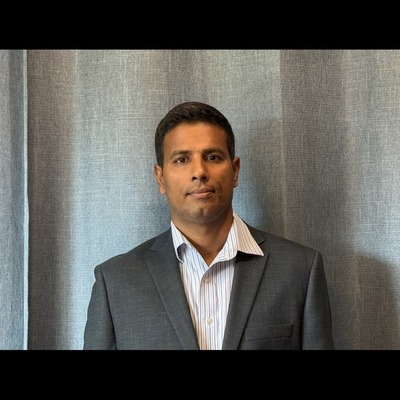
Adaptive Fraud Detection in Digital Payments: Combining Rules, Machine Learning, and Explainable AI
Arun Palanisamy
Arun Palanisamy is a seasoned payment industry professional with over 16 years of expertise in payment processing systems, spanning retail, restaurant, AFD, and transit payment solutions. He is recognized as a subject matter expert in EMV, NFC, 3D-Secure, and wallet-based tokenization technologies, with extensive knowledge of payment network configurations for POS and ATM, as well as hands-on experience with Visa, Mastercard, American Express, Discover, FirstData-Fiserv, and WorldPay. Throughout his career, Arun has combined strong business and technical acumen to drive product development, testing and certification, compliance, and strategic delivery. He currently serves as a Subject Matter Expert and Payment Networks Support Specialist at InComm Payments, where he has led the implementation of innovative projects such as dateless EMV/NFC cards, advanced fraud detection engines, tokenization, and 3D-Secure systems. Previously, at Accenture US Technology Solutions for First Data USA, he specialized in production support and IT infrastructure planning, playing a key role in the development of Google Wallet and the Offerwise Redemption Platform. With deep expertise in ISO standards (8583, 20022, 14443, 7816), payment switching, fraud monitoring, reconciliation, and disputes management, Arun also brings strong program management and advisory experience. An active member and panelist in various payments forums, Arun continues to contribute to shaping the future of secure, innovative, and efficient digital payments.
Event Sponsors





















Why Sponsor?

- 0+
Social Media Followers
Boost visibility through thousands of yearly views on our platform. - 0+
Pageviews/Yr
Boost visibility through thousands of yearly views on our platform. - 0+
Avg Attendance
Connect with hundreds of cybersecurity, AI, and data science professionals. - 0+
Newsletter Subscribers
Reach decision-makers directly through our growing, targeted email newsletter list.
Company Footprint
Who you'll reach
Conference Partners
Partner with the 2026 Secure Carolinas Conference to demonstrate your dedication to advancing regional cybersecurity. By aligning with us, you showcase your commitment to strengthening security efforts across South Carolina, while gaining visibility and forging valuable connections within the cybersecurity community.








Become a Partner today
Keynote Speakers
We are proud to present a powerhouse lineup of speakers for the 2026 Secure Carolinas Conference, each recognized as a leader in the cybersecurity space. This group includes senior government officials, top industry executives, leading researchers, and frontline practitioners who are shaping the future of security.
Together, they bring a wide range of perspectives—from policymaking and operational defense to academic research and emerging technologies. Attendees will gain firsthand access to the latest developments, tested strategies, and actionable insights drawn from real-world experience.
Through keynote sessions and focused discussions, these experts will explore today’s most urgent cybersecurity challenges and share forward-thinking solutions that can be applied across industries. Whether you’re protecting critical infrastructure, managing enterprise risk, or driving innovation, the knowledge shared here will be directly relevant to your work.
Don’t miss this opportunity to learn from those driving the conversation in cybersecurity. The 2026 Secure Carolinas Conference is your chance to hear from the best, expand your perspective, and walk away with strategies you can use right away.